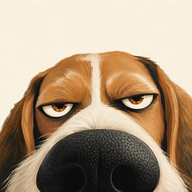

Read the evidence before sentencing
Keep a chewing log for one week before changing anything. Write down four things per incident: what was chewed, what time, how much work the day offered before it, and who was home. Boredom chewing usually lands on low-work days and targets whatever is available. Anxiety chewing clusters around departures and aims at doors, windows, and items that smell like you. Habit chewing repeats the same object at the same hour.
Four entries are usually enough to show the pattern, and the pattern picks the fix.
The boredom chewer: put the mouth on payroll
A bored beagle chews because the mouth was the only department still open. Give it legal work before the restless window, not after the crime. Run a 5-minute towel or room search before you leave, feed dinner through a puzzle feeder instead of a bowl, and end active play with a chew or licking project that lasts at least 10 minutes.
Rotate two or three chews so each one stays interesting. A chew that lives on the floor all week stops counting as compensation. One that returns after three days reads as a fresh assignment.
The teething file: puppies are a different department
Beagle puppies between roughly 3 and 7 months chew because their mouths hurt and everything is new. This is a supply problem, not a discipline problem. Keep a legal chew within reach in every room the puppy uses, and hand one over the moment furniture becomes interesting.
A wet washcloth, twisted and frozen, is a cheap teething classic. So is a short nap schedule. Overtired puppies chew harder and make worse decisions, the same as overtired humans in airports.
The anxiety chewer: shrink the world, then ask for help
Anxiety chewing looks different. The damage concentrates at exits and windows, or on shoes, remotes, and laundry that carry your scent. It often comes with drooling, pacing, howling when alone, or scratched door frames. This beagle is not bored. This beagle is worried, and worry does not respond to lectures.
Shrink the setup first: a smaller calm room, a predictable departure routine, and absences that start at 30 seconds and grow slowly. If the damage or the distress stays high after two weeks, bring in a qualified trainer or behavior professional. That is the fast path, not the defeat.
Habit and taste chewers: move the payroll office
Some adult beagles simply maintain one illegal hobby: the left sandal, the couch corner, the mail. Management beats willpower here. Lidded laundry basket, shoes behind a closed closet door, mail out of reach. The habit cannot continue without inventory.
When the beagle does claim an item, trade calmly for a treat or a legal chew and put the item away without ceremony. Never chase. Chasing converts theft into a paid position with cardio benefits.
When chewing is a medical case
Three patterns belong to the vet, not the training plan. First, sudden chewing in an adult dog whose habits were stable can signal pain, dental trouble, or stress. Second, a beagle that swallows fabric or plastic can develop a blockage: vomiting, refusing food, straining without stool, or sudden lethargy after a known theft is an emergency visit. Third, a dog chewing its own paws, legs, or tail is usually dealing with allergies, parasites, or pain.
Rule the body out first. Training plans work better on dogs that feel fine.
Questions humans ask after the howling stops briefly.
Why is my beagle suddenly chewing everything?
Sudden chewing in an adult beagle usually means something changed: less exercise, more alone time, a schedule shift, new stress, or a medical issue such as dental pain. Check the last two weeks for changes and ask a vet if the chewing arrived with appetite, sleep, or mood changes.
How do I stop my beagle from chewing when I leave the house?
Give a 5-minute sniffing job before you go, leave a safe long-lasting chew or frozen food puzzle, and confine your beagle to a small dog-proofed area. If the chewing targets doors and windows or comes with howling and pacing, treat it as possible separation distress and get professional help.
What chew items are safe for beagles?
Choose chews sized for a 20 to 30 pound dog that flex slightly and cannot splinter or break into chunks. Avoid cooked bones and anything harder than a fingernail dent. Supervise new chews the first few sessions and remove them once they shrink to swallowing size.
Is chewing a sign of separation anxiety in beagles?
It can be. Chewing that happens only when the dog is alone, targets exits or your scented items, and pairs with howling, drooling, or scratched door frames points toward separation distress rather than boredom. That pattern deserves a behavior professional rather than more chews.